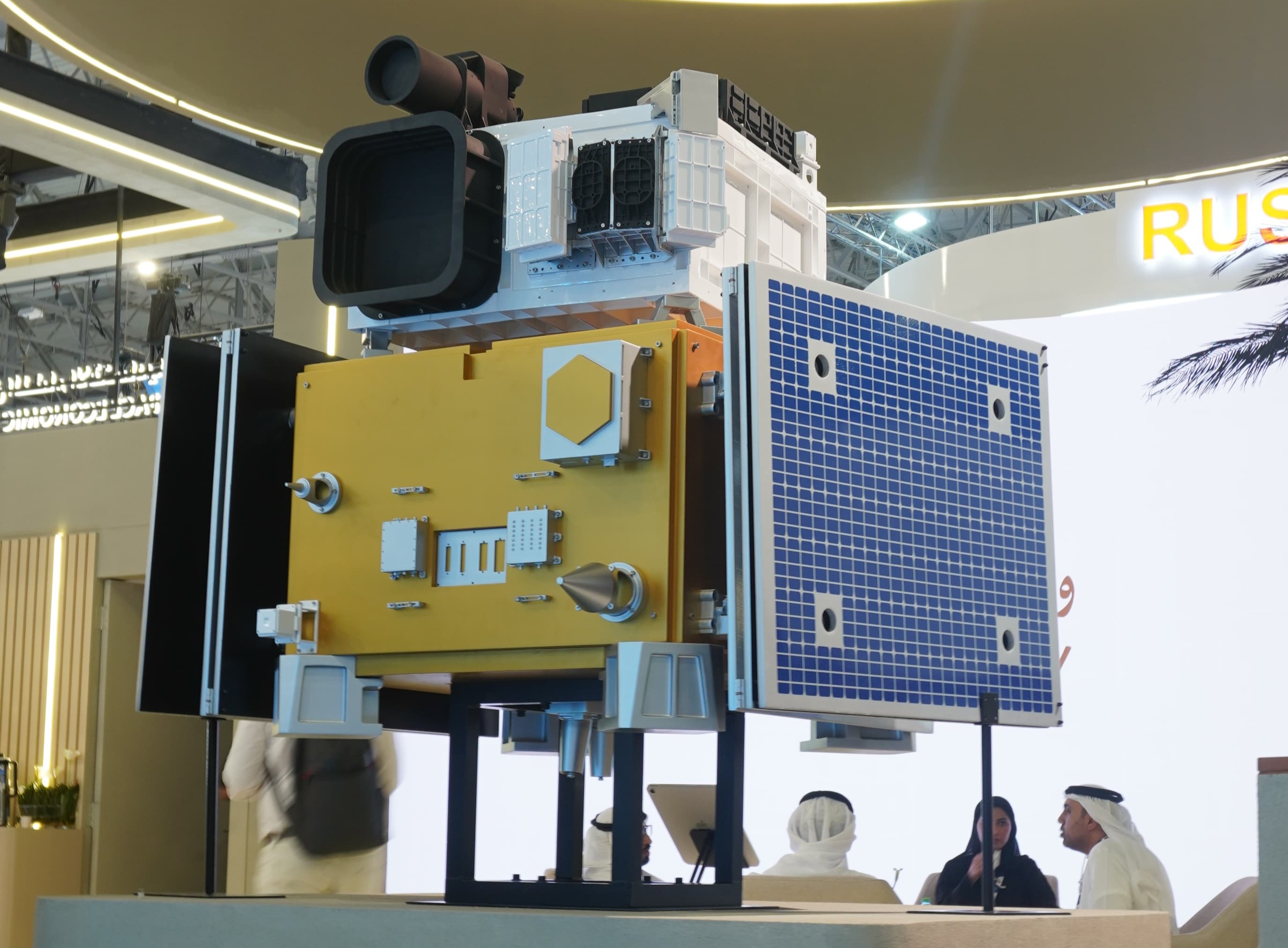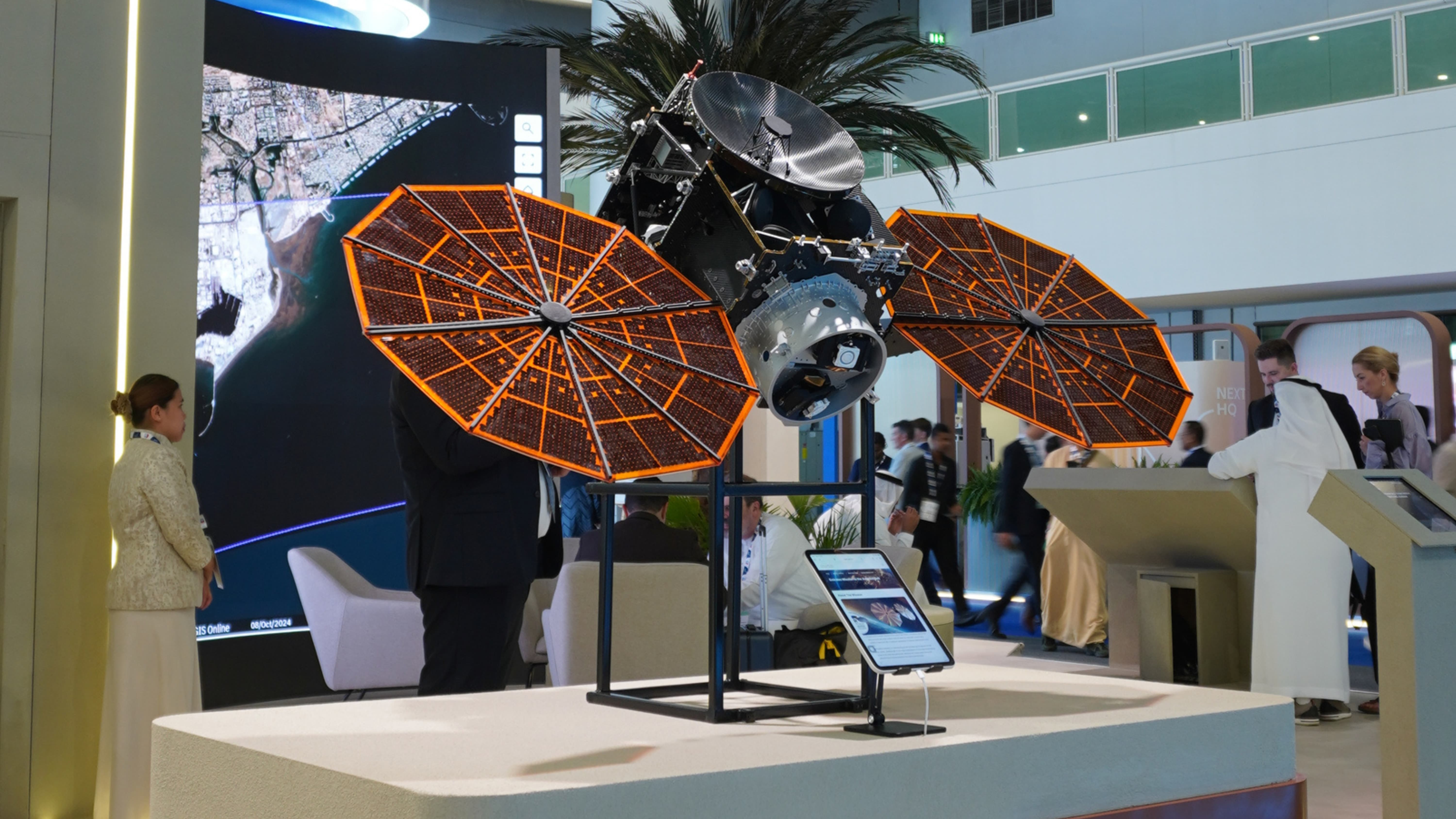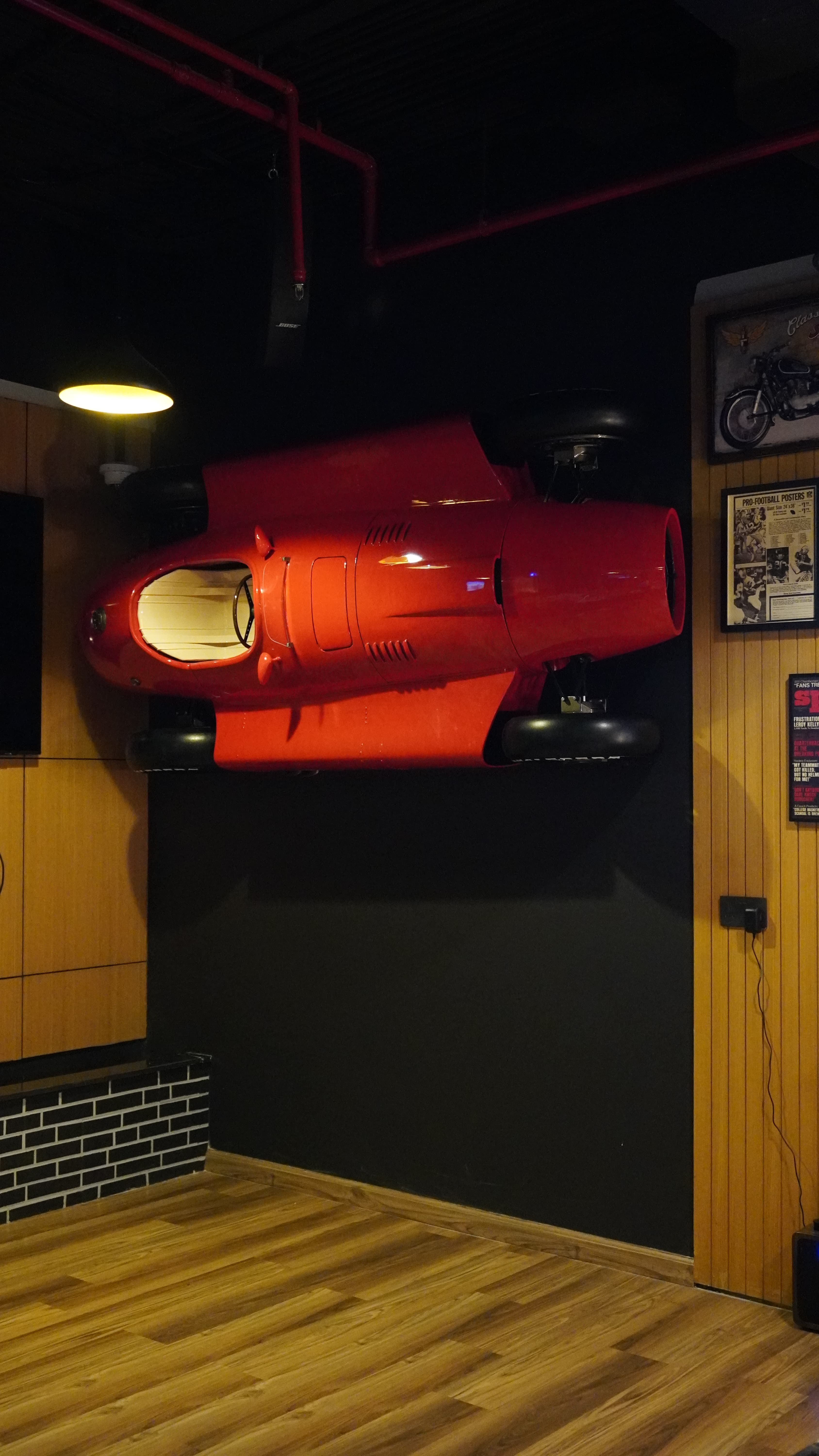
How Advanced Finishing Enhances 3D Printed Parts
While 3D printing allows for complex shapes and rapid production, the true quality of a printed part is often defined by its finishing. Advanced finishing techniques transform raw 3D prints into high-performance, visually refined, and production-ready components.
At Ultratec 3D, finishing is not an afterthought — it’s a critical step that enhances durability, accuracy, and presentation across industries. This article explores how advanced finishing elevates 3D printed parts beyond basic prototypes.
Why Finishing Matters in 3D Printing
Freshly printed parts often show visible layer lines, surface texture, or minor imperfections. While acceptable for internal testing, these features may not meet functional or aesthetic standards required for final use.
Advanced finishing helps:
- Improve surface smoothness and appearance
- Increase mechanical strength and wear resistance
- Enhance dimensional accuracy
- Prepare parts for end-use applications
- Meet industry-specific quality standards
Common Challenges in Unfinished 3D Prints
Without proper finishing, parts may face:
- Visible layer lines and rough textures
- Reduced resistance to friction and wear
- Poor paint adhesion
- Inconsistent appearance
- Limited suitability for presentation or production
Key Advanced Finishing Techniques and Their Benefits
1. Surface Smoothing & Polishing
Smoothing removes visible layer lines and creates a refined surface finish. This is essential for:
- Presentation models
- Consumer-facing products
- Ergonomic components
2. Sanding and Precision Refinement
Manual and automated sanding improves:
- Dimensional consistency
- Edge definition
- Surface uniformity
This step prepares parts for painting, coating, or further treatment.
3. Painting and Colour Matching
Professional painting enhances:
- Brand accuracy and visual appeal
- Realistic appearance for prototypes
- UV and environmental resistance
Custom colour matching ensures alignment with branding or design requirements.
4. Chroming and Metallic Coatings
Chroming adds:
- A premium metallic appearance
- Increased corrosion resistance
- Enhanced durability
Ideal for luxury models, automotive components, and decorative applications.
5. Strengthening and Protective Coatings
Advanced coatings improve:
- Impact and wear resistance
- Chemical and moisture protection
- Longevity of functional parts
These treatments are critical for industrial and outdoor applications.
6. Assembly and Functional Enhancement
Finishing often includes:
- Threading and inserts
- Component fitting
- Post-processing for mechanical performance
This turns printed parts into fully functional components, not just models.
How Finishing Impacts Different Industries
Architecture & Real Estate
- Ultra-smooth surfaces
- Realistic textures and colours
- High-end presentation models
Automotive & Aerospace
- Improved tolerances
- Enhanced strength and durability
- Heat-resistant finishes
Medical & Healthcare
- Smooth, cleanable surfaces
- Precision finishing for accuracy
- Application-specific coatings
Manufacturing & Engineering
- Functional strength
- Wear-resistant surfaces
- Production-ready components
The Ultratec 3D Approach to Advanced Finishing
At Ultratec 3D, finishing is tailored to each project’s purpose. We combine technical expertise with premium finishing techniques to ensure every part meets both functional and visual expectations.
Our finishing services include:
- Surface smoothing and polishing
- Painting and chroming
- Precision refinement
- Functional assembly
- Quality control inspections
Each step is executed with accuracy, consistency, and attention to detail.
Final Thoughts
Advanced finishing is what transforms a 3D printed part from a prototype into a professional, high-quality product. By enhancing surface quality, strength, and aesthetics, finishing unlocks the full potential of 3D printing.
If your project demands more than just a print, Ultratec 3D delivers complete end-to-end solutions — from design to finishing and final delivery.