Introduction
Hey there, if you're a startup founder hustling in Dubai's tech scene, a mechanical engineer tweaking designs in Abu Dhabi, or an R&D manager sourcing from the UAE for your KSA projects, you've probably felt the crunch of needing a prototype yesterday. At Ultratec3D, we've seen it all—tight deadlines for investor pitches, functional tests that can't wait for overseas shipping, and that one concept model that needs to wow stakeholders. That's where rapid prototyping services in the UAE shine: turning your CAD files into real, testable parts faster than you thought possible. In this guide, we'll break down everything from the basics to pro tips, all tailored to how things work here in the UAE. Let's dive in and get your ideas off the ground.
What Is Rapid Prototyping?
Rapid prototyping is essentially the art and science of quickly creating physical versions of your product ideas to test, refine, and validate them before committing to full production. It's not just about slapping together a model—it's a strategic step in product development that uses additive manufacturing (like 3D printing) to bridge the gap between digital designs and real-world functionality. In the UAE, where innovation hubs like Dubai Silicon Oasis and Abu Dhabi’s Masdar City are buzzing, rapid prototyping services help teams iterate designs in days, not weeks, saving time and money on what could otherwise be costly mistakes.
At Ultratec3D, we handle everything from simple visual mocks to rugged engineering prototypes, using industrial-grade tech to ensure your parts are "true-to-CAD" accurate. Whether you're in real estate needing a scale model or an automotive firm testing components, it's all about speed without sacrificing quality.
Rapid prototyping vs. “just 3D printing”: what’s the difference?
People often use "3D printing" and "rapid prototyping" interchangeably, but there's a key distinction. 3D printing is the technology—the layer-by-layer buildup of material from a digital file. Rapid prototyping, on the other hand, is the broader process: it includes selecting the right printing method, materials, post-processing, and testing to create a functional or representative model tailored to your goals. For UAE teams, "just 3D printing" might mean a hobbyist desktop printer churning out a basic PLA part overnight, but true rapid prototyping services—like what we offer at Ultratec3D—involve expert DfAM (design for additive manufacturing) advice, multi-material options, and quality checks to ensure the prototype performs as intended. It's the difference between a rough sketch and a polished demo piece that wins funding.
What counts as a “prototype” in the UAE market
In the UAE's fast-moving market, prototypes fall into three main buckets, each serving a different stage of development:
- Looks-like prototype: Focuses on aesthetics—think a sleek, painted 3D-printed model for investor pitches or architectural presentations, using SLA for smooth finishes.
- Works-like prototype: Mimics functionality, like a snap-fit enclosure tested for assembly, often via FDM or SLS for durability.
- Engineering prototype: The heavy hitter for real stress tests—metal 3D printing for heat resistance or MJF for precise tolerances in automotive or medical parts.
For UAE innovators, the choice depends on your deadline: startups often start with looks-like for demos, while R&D teams go straight to engineering-grade. At Ultratec3D, we guide you based on your files, ensuring the prototype aligns with local standards like those from Dubai's DED or Abu Dhabi's ADDED accelerators.
Who Uses Rapid Prototyping Services in the UAE (and Why)
From the gleaming skyscrapers of Dubai to the industrial zones of Sharjah and the innovation corridors of Abu Dhabi, rapid prototyping services in the UAE are a lifeline for teams pushing boundaries. It's not just big corps; even solopreneurs and small teams rely on it to stay competitive in a region that's a hotspot for tech, real estate, and manufacturing. The "why" boils down to validation: proving your idea works before sinking millions into tooling or production. With UAE's free zones offering tax perks and quick setups, prototyping locally means faster feedback loops and easier compliance with regs like those from the Emirates Authority for Standardization and Metrology (ESMA).
At Ultratec3D, we've powered prototypes for everyone from Expo 2020 exhibitors to ADGM fintech startups—it's about getting tangible results that drive decisions.
Startups & accelerators: proving traction with a physical product
UAE startups, especially those in accelerators like in5 Dubai or Hub71 Abu Dhabi, live or die by demos. Rapid prototyping lets you turn a napkin sketch into a handheld pitch tool overnight—imagine a 3D-printed gadget for your Shark Tank-style investor meetup. Why? It builds credibility: VCs want to touch and feel the product, not just see renders. We've helped founders prototype IoT devices or consumer gadgets, iterating based on feedback to secure seed funding. In a market where UAE's startup ecosystem hit $1B+ in investments last year, skipping this step means missing out on traction—prototypes show you're serious and execution-ready.
Engineering & manufacturing teams: fit, function, and failure testing
For mechanical engineers in Jebel Ali or Mussafah industrial areas, rapid prototyping is about de-risking. Test snap fits, enclosures, or brackets for real-world stress without waiting weeks for overseas samples. SLS or MJF parts handle drop tests or thermal cycles, spotting failures early—like a gear that warps under heat. UAE manufacturing teams love it for supply chain localization; with global disruptions, local services cut lead times from China/India shipments. At Ultratec3D, we focus on tolerances down to 0.1mm, helping you validate before CNC tooling.
Architecture & real estate: concept models and stakeholder buy-in
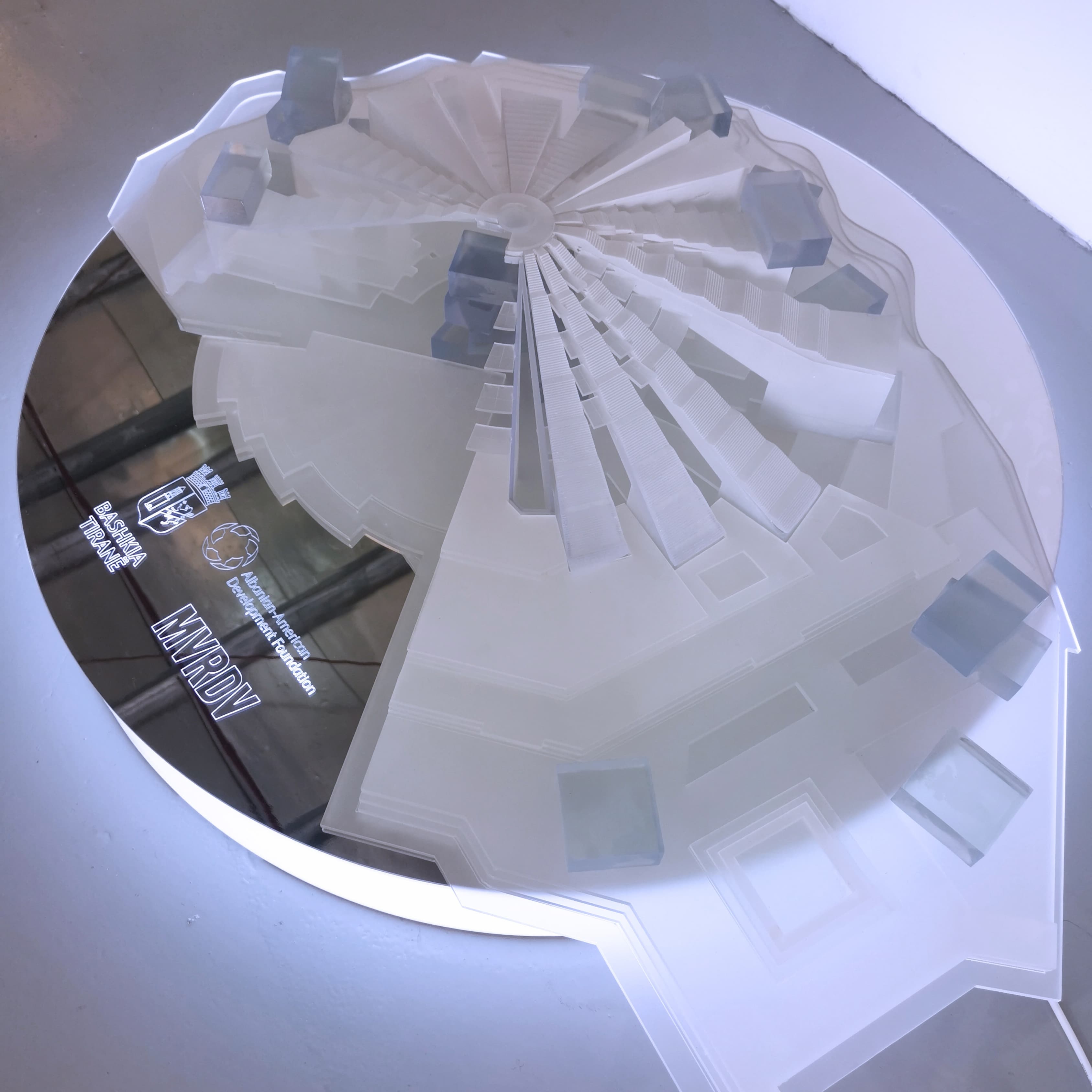
In Dubai's booming property scene, architects use rapid prototyping for scale models that wow at Cityscape or client meetings. A detailed 1:200 tower mockup via color jet printing visualizes layouts and materials, securing approvals from RERA or Dubai Municipality faster. It's about buy-in—developers see spatial flow, investors grasp ROI. For waterfront projects in Abu Dhabi, our SLA models capture fine textures, bridging digital BIM files to physical persuasion.
Medical, automotive, aerospace: when precision is non-negotiable
Precision industries in the UAE—think Stratasys-equipped aerospace firms in Al Ain or medical device makers in Dubai Healthcare City—demand prototypes that mimic end-use. Metal 3D printing for turbine blades or resin for surgical guides ensures biocompatibility and accuracy. Why? Regulations like those from UAE's DHA or FAA equivalents require validated parts. Rapid prototyping reduces risks in high-stakes testing, like wind tunnel models for Emirates' suppliers. Ultratec3D's certified processes deliver parts that pass ISO audits, keeping your projects on track.
Benefits of Rapid Prototyping Services in UAE (Compared to Overseas Prototyping)
Going local with rapid prototyping services in the UAE isn't just convenient—it's a smart business move in a region where time is money and innovation doesn't wait. Overseas options from China or Europe might seem cheaper upfront, but factor in shipping delays (2-4 weeks vs. our 1-5 days), customs hassles, and communication gaps, and the hidden costs pile up. UAE services like Ultratec3D offer industrial-grade quality with zero timezone drama, plus easy revisions. In a market projected to grow 20% annually per UAE's digital economy strategy, local prototyping aligns with "Make it in the Emirates" initiatives, supporting sustainability and supply chain resilience.
Faster iterations = better products (and fewer expensive mistakes)
Iteration is the heart of innovation, and UAE rapid prototyping lets you tweak designs in hours, not weeks. Print a flawed enclosure, test it, and reprint by EOD—overseas? Add international freight, and you're looking at a month's delay. This speed catches issues like poor tolerances early, avoiding $10K+ in tooling fixes. For UAE product teams, it's gold: startups refine MVPs for demo days, engineers validate assemblies without halting lines. We've seen clients cut development time by 40%, turning "good enough" into market leaders.
Lower risk before tooling (molds, dies, jigs)
Tooling is irreversible and pricey—molds can run AED 50K+. Rapid prototyping de-risks this by simulating production parts. Test form, fit, and function with low-volume runs via MJF or SLS, ensuring your injection mold design is spot-on. Overseas prototyping often leads to surprises upon arrival (wrong scales, brittle materials), but UAE services provide hands-on collaboration. At Ultratec3D, we bridge to tooling seamlessly, saving clients from costly redesigns.
Local UAE turnaround: why logistics matter more than people think
Logistics in the UAE are a breeze—same-day courier from Dubai to Abu Dhabi, no customs red tape. Overseas? Delays from ports like Jebel Ali can snowball into missed deadlines. Local services mean predictable ETAs, easy pickups, and on-site consultations. For KSA teams sourcing UAE-wide, it's even better: DHL Express cuts transit to 1 day. This reliability boosts confidence, especially under tight schedules like GITEX or ADIPEC events.
Rapid Prototyping Technologies Explained (Choose the Right One)
Choosing the right technology for rapid prototyping in the UAE is like picking the right tool for the job—get it wrong, and your prototype flops; get it right, and you're iterating like a pro. At Ultratec3D in Dubai, we offer a full suite: FDM for budget concepts, SLA for polished visuals, SLS for tough functionals, MJF for production-like quality, and metal printing for high-end engineering. Each has tradeoffs in speed, cost, resolution, and strength, tailored to UAE's diverse needs from real estate models to aerospace parts. Let's break it down so you can match your project perfectly.
FDM: fast and cost-effective for early concepts
Fused Deposition Modeling (FDM) is the workhorse of rapid prototyping—extruding thermoplastic filament layer by layer for quick, affordable parts. Ideal for early-stage UAE startups brainstorming enclosures or jigs, it's cheap (AED 0.5-2 per gram) and fast (hours for small parts). Pros: Versatile materials like PLA for concepts or ABS for durability; easy to scale up. Cons: Visible layer lines mean it's not for cosmetics without post-processing. At Ultratec3D, we use it for initial fit checks, helping mechanical teams in Abu Dhabi validate assemblies without breaking the bank.
SLA: best for high detail, smooth finish, and presentation parts
Stereolithography (SLA) uses UV lasers to cure liquid resin, delivering ultra-smooth surfaces and fine details (down to 25 microns). Perfect for architectural scale models or medical prototypes in Dubai, where presentation matters—like a crystal-clear anatomical model for DHA approvals. It's pricier than FDM but shines for aesthetics, with turnaround in 1-2 days. Materials like standard or flexible resins offer biocompatibility options. Drawback: Brittle parts, so not for heavy testing. Ultratec3D's SLA setups are go-to for real estate firms needing showroom-ready visuals.
SLS: strong nylon parts for functional testing
Selective Laser Sintering (SLS) fuses nylon powder with lasers, creating tough, flexible parts without supports—great for functional prototypes like gears or snap-fits. In UAE's automotive sector, it's ideal for drop-testing enclosures that withstand real abuse. Strengths: High durability, no layer lines, and batch printing for efficiency (multiple parts at once). Cost: Mid-range, with 2-3 day leads. Cons: Powdery finish needs post-processing. We at Ultratec3D recommend SLS for engineering teams validating strength in hot UAE climates.
HP Multi Jet Fusion (MJF): production-grade functional prototypes and short runs
MJF from HP is a powerhouse for UAE innovators needing near-production quality—inkjet-fusing powder for isotropic parts with excellent mechanical properties. Think short runs of 100+ units for jigs or consumer products, with tolerances ±0.3mm. It's faster than SLS for complex geometries, using nylons or elastomers for flexible/rigid needs. Pros: Uniform strength, vibrant colors via multi-jet. Cons: Higher upfront cost, but scales well. For Dubai's manufacturing hubs, it's perfect for bridging prototyping to low-volume production, cutting time by 50% vs. traditional methods. Ultratec3D uses MJF for R&D teams prepping for ADIPEC demos.
Metal 3D printing (when it’s worth it)
Direct Metal Laser Sintering (DMLS) or Binder Jetting builds with metals like stainless steel or titanium—essential for aerospace or oil/gas prototypes in the UAE. When? For high-heat, high-strength tests where plastics fail, like turbine components for Emirates suppliers. Pros: Flight-ready accuracy, functional under load. Cons: Expensive (AED 10K+ for small parts) and slower (3-5 days). It's "worth it" for precision non-negotiable scenarios, per ESMA standards. Ultratec3D's metal capabilities serve Abu Dhabi's industrial parks, ensuring parts endure desert conditions.
Quick “selection cheat-sheet” by use case
| Use Case | Recommended Tech | Why? | Cost Level | Turnaround |
|---|---|---|---|---|
| Early Concepts/Budget | FDM | Affordable, quick | Low | 1-2 days |
| Presentation/Detail | SLA | Smooth, aesthetic | Medium | 1-3 days |
| Functional Testing | SLS/MJF | Durable, strong | Medium-High | 2-4 days |
| High-Strength/Engineering | Metal 3D | Heat/load resistant | High | 3-5 days |
Materials for Rapid Prototyping in UAE (What to Pick and When)
Materials make or break a prototype—pick the wrong one, and your part cracks under test; the right one, and it validates your entire design. In the UAE's harsh environment (think 50°C heat and dust), durability matters, so Ultratec3D stocks a range optimized for local needs: from eco-friendly options for green initiatives to engineering-grade for compliance. We guide based on your goals—cosmetics for pitches or strength for tests—ensuring compatibility with our tech like SLA or MJF.
PLA vs ABS vs PETG: the practical differences
PLA (Polylactic Acid) is the beginner's friend—biodegradable, easy to print via FDM, and great for non-functional models like architectural concepts. It's cheap and detail-rich but brittle and low-heat tolerant (softens at 60°C), so not for UAE's summer tests. ABS (Acrylonitrile Butadiene Styrene) steps up for functionality: tougher, impact-resistant, and heat-stable up to 80°C, ideal for enclosures in manufacturing prototypes. It warps if not in a heated chamber, though. PETG bridges the gap—strong like ABS but easier to print, with chemical resistance for medical or automotive parts. In Dubai's market, startups love PLA for quick visuals, while engineers pick ABS/PETG for real use. Ultratec3D recommends PETG for balanced performance in humid coastal areas.
Nylon & composites: durability and heat resistance for engineering teams
Nylon (via SLS or MJF) is a beast for flexible, wear-resistant parts—like hinges or gears that flex without breaking. It's tough against abrasion and absorbs impacts, perfect for UAE automotive testing. Composites (nylon with carbon fiber or glass) amp it up: stiffer, lighter, and heat-resistant to 150°C+, suiting aerospace jigs. Pros: High strength-to-weight; cons: Hygroscopic (absorbs moisture, needs drying). For R&D in Abu Dhabi, these shine in failure simulations—Ultratec3D uses them for prototypes enduring desert vibes.
Resins: detail, clarity, and surface finish tradeoffs
Resins for SLA/DLP offer jewel-like clarity and sub-millimeter details—think transparent casings or fine-textured models for real estate. Standard resins are rigid for structures; flexible for gaskets; tough for impacts. Tradeoffs: UV-sensitive (cure post-print), brittle without additives, and pricier. In UAE medical prototyping, biocompatible resins meet DHA specs. Ultratec3D's clear resins are hits for optical demos, balancing shine with practicality.
How to choose based on your testing goal
- Fit/Assembly: PETG or nylon—tolerances hold up.
- Strength: ABS/composites for loads.
- Heat: Nylon or metal for >80°C.
- Cosmetics: SLA resins for polish.
How the Rapid Prototyping Process Works at a UAE Service Bureau (Step-by-Step)
Ever wonder what happens after you hit "send" on your prototype request? At a UAE service bureau like Ultratec3D in Dubai's Jabal Ali, the process is streamlined for efficiency—leveraging local logistics for UAE-wide delivery. It's collaborative: we don't just print; we optimize to save you time and cash. From file upload to doorstep, expect transparency via portals, with engineers on call. Here's the step-by-step, tailored for busy product teams.
- Step 1: File review + DfAM (design for additive manufacturing) tips: It starts with your upload—STL, STEP, or IGES files via our portal. Our team reviews for issues like thin walls or overhangs, offering free DfAM tweaks (e.g., adding fillets to reduce stress). Tips: Orient for minimal supports; keep walls >1mm for FDM. For UAE startups, this catches "screen-only" errors early, preventing reprints. We flag ESMA-relevant tolerances, ensuring compliance.
- Step 2: Technology + material matching: Based on your brief (e.g., "functional test for heat"), we match tech/material—SLA resin for details or MJF nylon for strength. Quote includes options; we explain tradeoffs like cost vs. durability. UAE teams appreciate this: no guesswork, just aligned recommendations for Dubai's fast pace.
- Step 3: Printing + post-processing: Print time varies—hours for FDM, days for metal. Post-processing polishes: wash resins, cure under UV, sand layers, or paint for realism. For architectural models, we add textures; for engineering, vapor smoothing for airtight seals. Ultratec3D's in-house setup means no outsourcing delays, delivering pro finishes like anodizing for metal parts.
- Step 4: Quality checks: Every part gets caliper/CMM inspection for ±0.1mm accuracy, plus visual/functional tests (e.g., drop from 1m). Surface Ra checks ensure smoothness. If off, we reprint free—our ISO-inspired QA keeps UAE clients confident.
- Step 5: Delivery / collection workflows: Dubai pickups same-day; UAE-wide via Aramex (1-2 days to Abu Dhabi/Sharjah). KSA shipments? 1 day express. Track via app; we handle packaging for fragiles like detailed models.
Use Cases: Real-World Rapid Prototyping in the UAE (2024–2026)
The UAE's prototyping scene is exploding—think Dubai Future Foundation grants fueling AI hardware or Abu Dhabi's Tawazun for defense tech. From 2024's post-Expo boom to 2026's smart city rollouts, rapid prototyping services are key to staying ahead. At Ultratec3D, we've prototyped for GITEX exhibitors and Masdar innovators, turning concepts into assets. Here are real-world examples, showing how it drives success in diverse sectors.
Investor-ready prototypes for pitch decks and demo days
Picture a Dubai fintech startup prepping for DIFC Innovates: they need a sleek, handheld payment device prototype for their deck. Using SLA for a polished "looks-like" model with painted finishes, we delivered in 48 hours—complete with branding. Result? Secured AED 500K funding. In 2024-2026, with UAE's VC scene hitting $2B, these prototypes make abstracts tangible, boosting pitch success by 30%. Ultratec3D adds AR markers for interactive demos.
Functional prototypes for mechanical testing
A Sharjah manufacturing team testing EV battery enclosures: SLS nylon prototypes withstood vibration tests, revealing snap-fit tweaks before molding. Delivered in 3 days, it saved weeks of overseas waits. For 2025's UAE EV push (per DEWA goals), functional prototypes via MJF ensure reliability—think heat-cycled brackets holding up in 50°C sims. We've helped automotive suppliers validate for ADAC standards, cutting failure risks.
Architectural concept models with fine detail
Abu Dhabi real estate devs for Saadiyat Island: Color jet MJF for a 1:500 masterplan model with textured facades and LED integrations. Iterated twice in a week, it clinched municipal approvals. As UAE's urban projects ramp up to 2026 (Vision 2031), detailed prototypes visualize sustainability features like green roofs, aiding stakeholder buy-in.
Jigs/fixtures for production support
Jebel Ali factories use FDM PETG jigs for assembly lines—custom holders printed overnight to speed welding or inspection. Low-cost and disposable, they optimize workflows, reducing downtime by 20%. Ultratec3D's quick turns support UAE's manufacturing localization.
Common Mistakes That Slow Down Prototyping (and How to Avoid Them)
Prototyping pitfalls can turn a quick win into a headache—especially in the UAE, where deadlines align with events like Arab Health or ADIPEC. We've fixed countless issues at Ultratec3D, from warped parts to file fiascos. Spot these early, and you'll save time and AED.
- Sending the wrong file type: Uploading a pretty render (JPEG) instead of STL/STEP? Instant rejection—printers need meshes or solids. Incomplete assemblies (missing mates) lead to misaligned prints. Avoid: Export from SolidWorks/Rhino as STEP for accuracy; include exploded views. Use our free file checker tool—UAE teams, this keeps your GITEX prep on track.
- Wall thickness and tolerances: Designs with 0.5mm walls look great in CAD but snap in FDM. "Screen scale" hides overhangs needing supports. Avoid: Aim for 1-2mm walls; specify tolerances (±0.2mm standard). Test with our DfAM review— we've rescued Abu Dhabi engineers from brittle prototypes by thickening critical areas pre-print.
- Choosing material by price: Grabbing cheapest PLA for a heat-test? It melts. Avoid: Match to goal—nylon for flex, resin for detail. Consult Ultratec3D's material guide; we quote alternatives showing why ABS saves on reprints.
- Not planning post-processing: Rough prints without sanding? Unprofessional for pitches. Avoid: Specify in brief (e.g., "matte black paint"). We bundle it—ensuring UAE-ready, polished results.
How to Choose the Right Rapid Prototyping Company in the UAE
With dozens of 3D shops from Dubai to Ras Al Khaimah, picking the right rapid prototyping service in the UAE boils down to reliability for your team's needs. Look beyond "cheap"—focus on proven track records, like Ultratec3D's 5+ years serving UAE innovators. Prioritize industrial-grade over hobby setups for accuracy and scalability.
Checklist: speed, quality systems, material range, and finishing
- Speed: 1-5 day turns? Check reviews for on-time delivery.
- Quality: ISO/QA certified? CMM inspections?
- Materials: 20+ options (PLA to metal)?
- Finishing: In-house sanding/painting/assembly?
Ultratec3D ticks all: UAE-wide logistics, broad stock, and custom post-pro for pro results. For startups, this means investor-ready parts; for engineers, tested functionals.
Questions to ask before you pay
- Lead time for my volume? (Expect 24-72 hrs small runs.)
- Tolerances guaranteed? (±0.1-0.5mm typical.)
- Reprint if defective? (Free policy essential.)
- Material certs for regs? (ESMA/DHA.)
At Ultratec3D, we answer upfront—no surprises, just transparent quotes.
Why “industrial-grade” matters
Hobby shops use desktop printers—layer lines, inconsistent tolerances. Industrial (like our Stratasys/HP rigs) delivers repeatable quality for production paths. Spot hobby: Low prices (<AED 100/part), no QA mention, limited materials. Industrial: Case studies, engineer support. UAE's pro scene demands this—choose Ultratec3D for scalable, reliable prototyping.
Rapid Prototyping Services UAE: When to Use 3D Printing vs CNC vs Injection Molding
Rapid prototyping shines for low volumes, but knowing when to switch to CNC machining or injection molding keeps costs down in the UAE. 3D printing (additive) builds layer-by-layer for complexity; CNC (subtractive) mills from blocks for metals/plastics with tight tolerances; injection molding replicates via molds for high volumes. Ultratec3D offers all, advising hybrids for UAE teams scaling from prototype to production.
Cost/time comparison by volume (AED estimates for a 100x100x50mm part)
| Volume | 3D Printing (MJF) | CNC Machining | Injection Molding |
|---|---|---|---|
| 1-10 units | AED 200-500; 1-3 days | AED 500-1,000; 2-5 days | N/A (mold setup AED 20K+) |
| 10-100 units | AED 1,500-4,000; 3-7 days | AED 3,000-8,000; 5-10 days | AED 5,000+ (post-mold); 7-14 days |
| 100+ units | AED 10,000+; 7-14 days | AED 15,000+; 10+ days | AED 2,000-5,000; 14+ days |
Best scenarios for each method
- 3D Printing: Complex geometries, quick iterations—UAE startups prototyping enclosures or architectural models. Best for 1-50 units where speed trumps surface finish.
- CNC: High-accuracy metals/plastics, like aerospace brackets. Ideal for 10-100 runs needing ±0.01mm tolerances; UAE manufacturing favors it for tooling precursors.
- Injection Molding: Mass production (500+), uniform parts like consumer gadgets. Upfront mold cost high, but per-unit drops—perfect for Dubai exporters scaling post-prototype.
Hybrid workflow: prototype in 3D print, finalize with CNC/tooling
Start with 3D for form/fit, then CNC for precise finals or mold masters. Ultratec3D's hybrid saves 30% time—e.g., 3D architectural mockup to CNC signage. Seamless for UAE's agile teams.
Frequently Asked Questions
How fast can I get a prototype in Dubai or the UAE?
At Ultratec3D, small FDM parts ship same-day in Dubai; complex MJF or metal takes 1-5 days UAE-wide. Factors like volume and finishing affect this—express options cut it further for urgent needs like demo days.
What files do you need for rapid prototyping (STL/STEP/IGES)?
We accept STL for meshes, STEP/IGES for solids—export from CAD like SolidWorks or Fusion 360. Include units (mm) and orientations. If incomplete, our team optimizes free—ideal for UAE beginners.
What’s the best material for functional testing (ABS vs Nylon vs MJF)?
For general testing, ABS (FDM) for impact; Nylon (SLS/MJF) for flex/heat. MJF nylons excel in isotropic strength for loads. Depends on your test—share specs, and Ultratec3D recommends based on UAE conditions.
Can you help fix or optimize my CAD file before printing?
Absolutely—our DfAM service reviews for printability (e.g., adding supports, fixing thin walls). Free for quotes; paid tweaks for complex files. Saves reprints, common for UAE engineering teams.
Do you offer post-processing like sanding, painting, and assembly?
Yes! In-house: sanding for smoothness, painting/coloring for visuals, assembly/inserts for functionals. Add LED for models or anodizing for metal—tailored for Dubai exhibitions or Abu Dhabi tests.
Can you print transparent parts or flexible parts (TPU)?
Transparent: Clear resins (SLA) or PETG (FDM) for see-through casings. Flexible: TPU via FDM or elastomers in MJF/SLS for gaskets. Great for medical or automotive—precise and durable in UAE heat.
How much does rapid prototyping cost in the UAE?
Starts at AED 100-300 for small FDM concepts; AED 500-2,000 for detailed SLA/MJF; metal AED 1,000+. Per gram + setup; volume discounts. Get instant quotes on our site—transparent, no hidden fees.
When should I switch from prototyping to short-run production?
After 3-5 iterations validating design—when you need 50-500 units. Use MJF for short runs; transition to CNC/molding for 1,000+. Ultratec3D advises based on your roadmap, aligning with UAE scaling grants.